Sign up to view this video
Join Now
Deep Core Training
It's a common myth that the pelvic floor pushes the baby out during birth. In reality, the uterus is the primary muscle responsible for pushing your baby out during a vaginal delivery, while your deep core and breathing mechanics work together to support that process.
Because people often equate strong muscles with pushing or squeezing, many mistakenly believe they need to squeeze their pelvic floor—like performing a Kegel—to deliver their baby. In reality, the pelvic floor has a very different role. During the pushing stage of labor, it needs to lengthen, relax, and make space so your baby can descend through the birth canal.
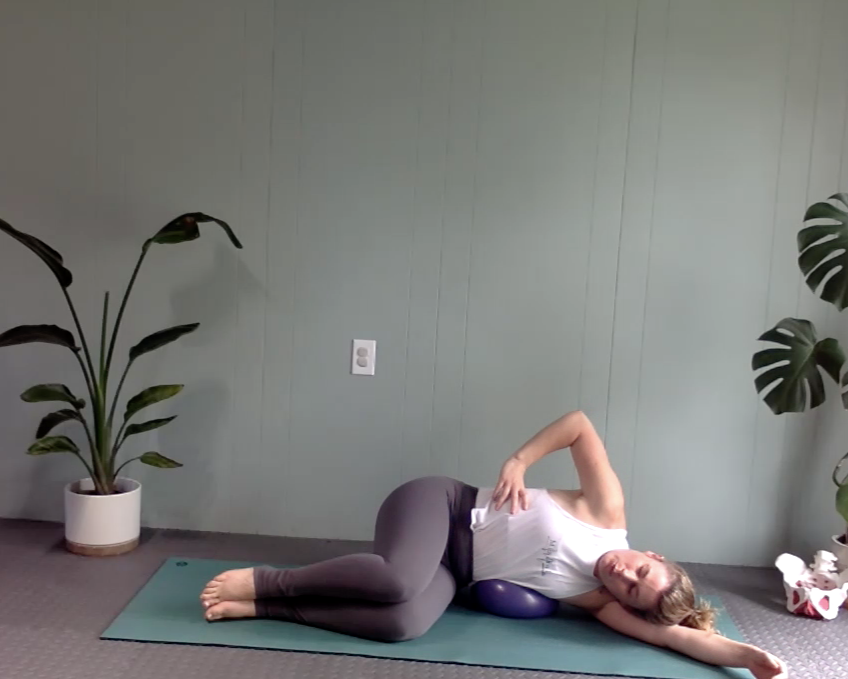
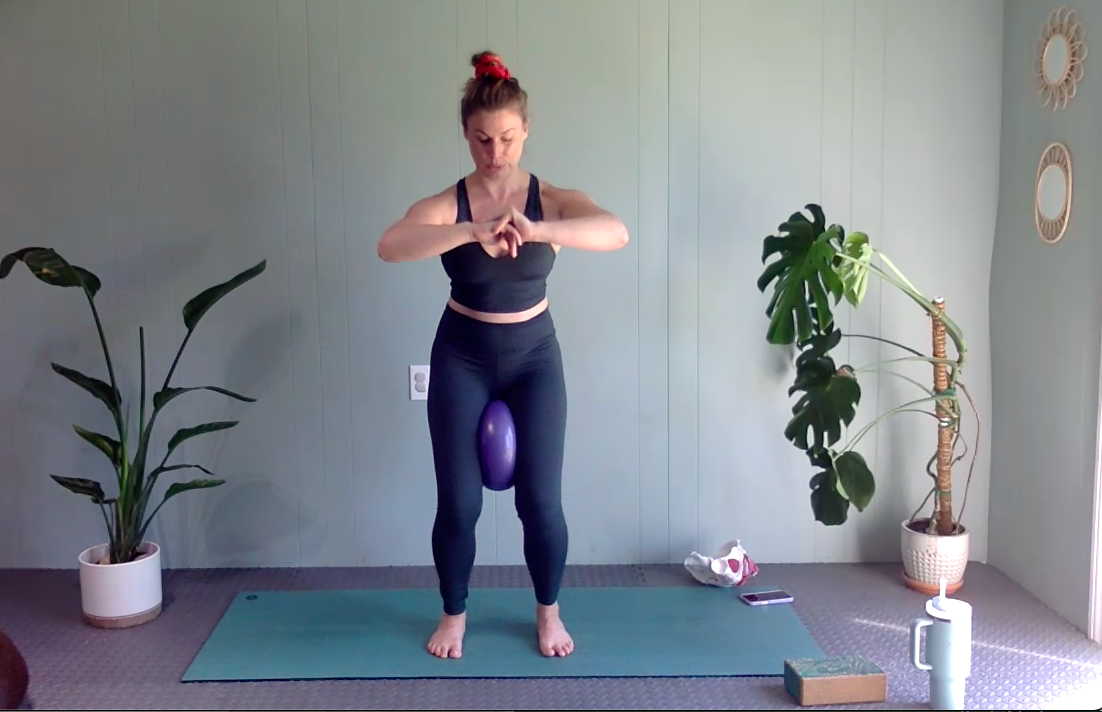
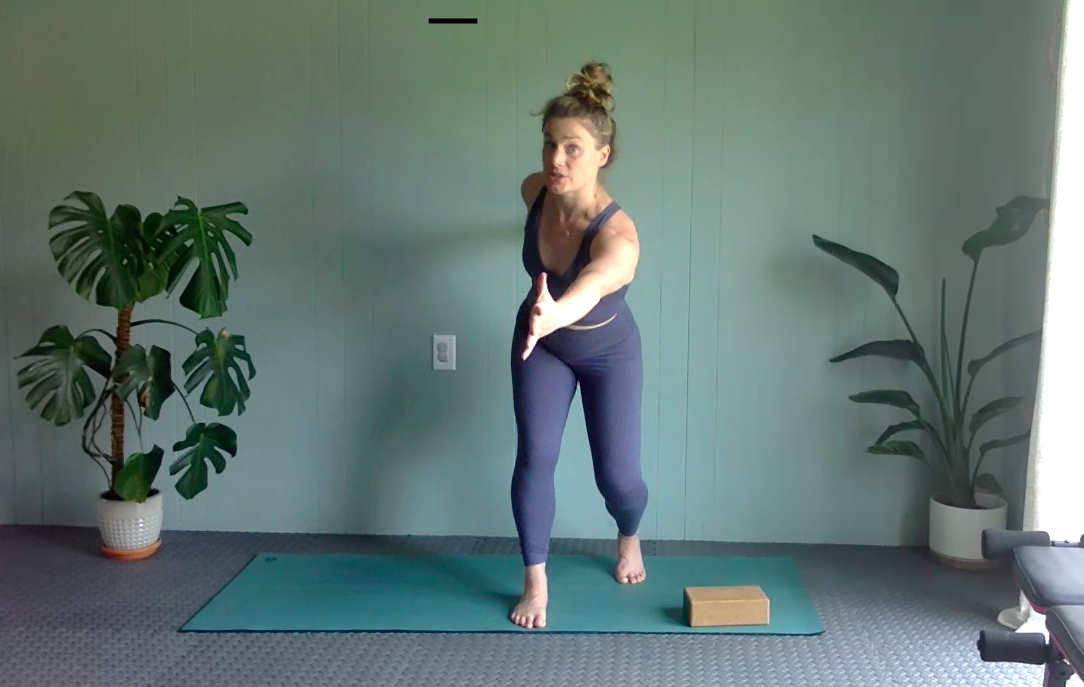
Your deep core consists of four muscles that work together as a pressure management system:
Diaphragm: The dome-shaped breathing muscle that forms the roof of your core. It works with your breath to regulate pressure throughout your trunk.
Transverse Abdominis (TA): Your deepest abdominal muscle, often described as a "corset" because it wraps around your midsection to create internal abdominal pressure and provide stability.
Multifidus: A series of small, deep muscles that run along your spine and stabilize each individual vertebra, supporting healthy posture and movement.
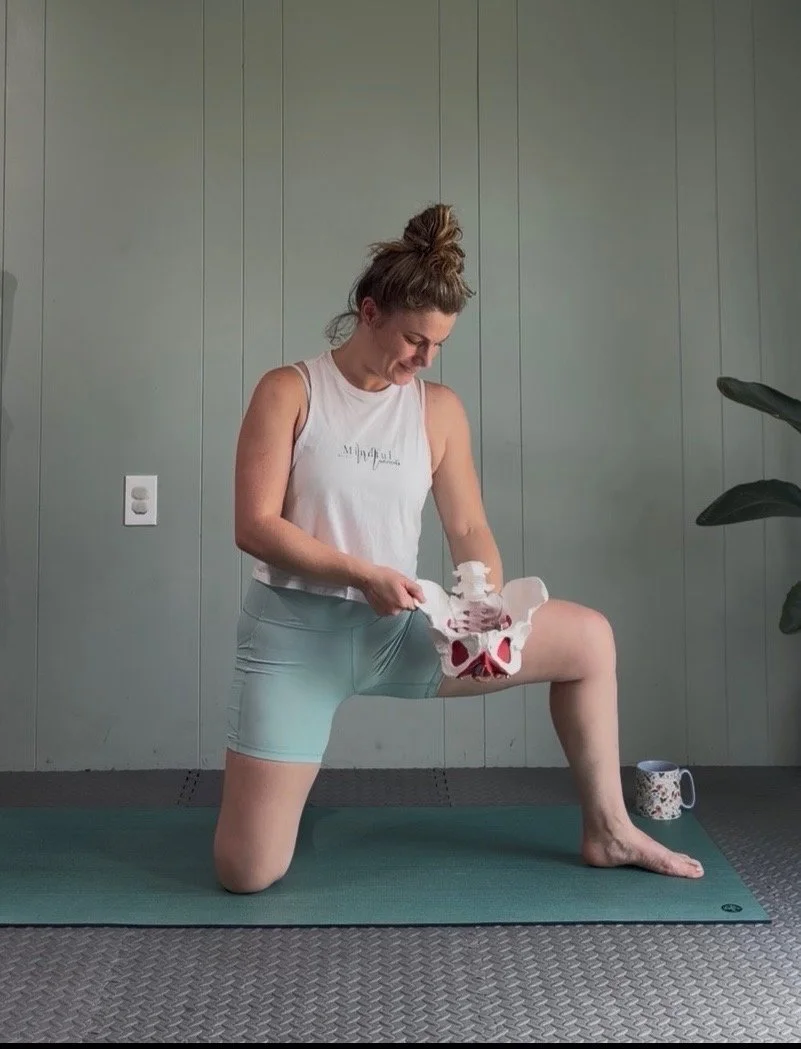
Pelvic Floor: A bowl-shaped sling of muscles that forms the floor of your core. Rather than constantly squeezing, it needs to contract, relax, and lengthen appropriately in response to movement, breathing, and labor.
Together, these muscles work as one integrated system to manage pressure throughout pregnancy and birth. During labor, the diaphragm and deep abdominal muscles help create intra-abdominal pressure that supports your uterine contractions, while the pelvic floor coordinates by yielding and lengthening—not by forcefully squeezing.
This is why learning how to activate, coordinate, and strengthen your deep core during pregnancy is so important. A well-functioning core isn't just about having "strong abs"—it's about building a system that supports your growing baby, protects your body throughout pregnancy, prepares you for a more efficient birth, and promotes a smoother postpartum recovery.