Sign up to view this video
Join NowPelvic Floor Reset
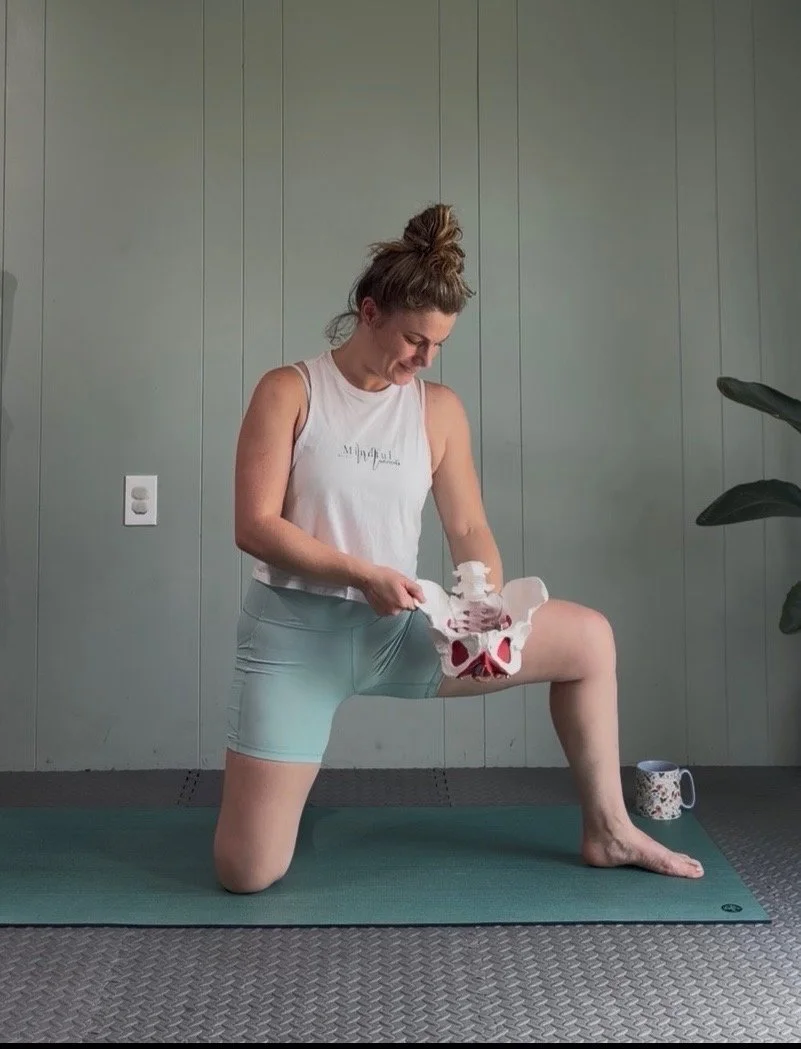
When most people hear the words pelvic floor, they immediately think of Kegels. But for many women during pregnancy and postpartum, the pelvic floor isn't simply weak—it may be overactive (too tense), underactive (too weak), or a combination of both. A healthy pelvic floor needs the ability to contract, relax, and coordinate with your breath and deep core muscles.
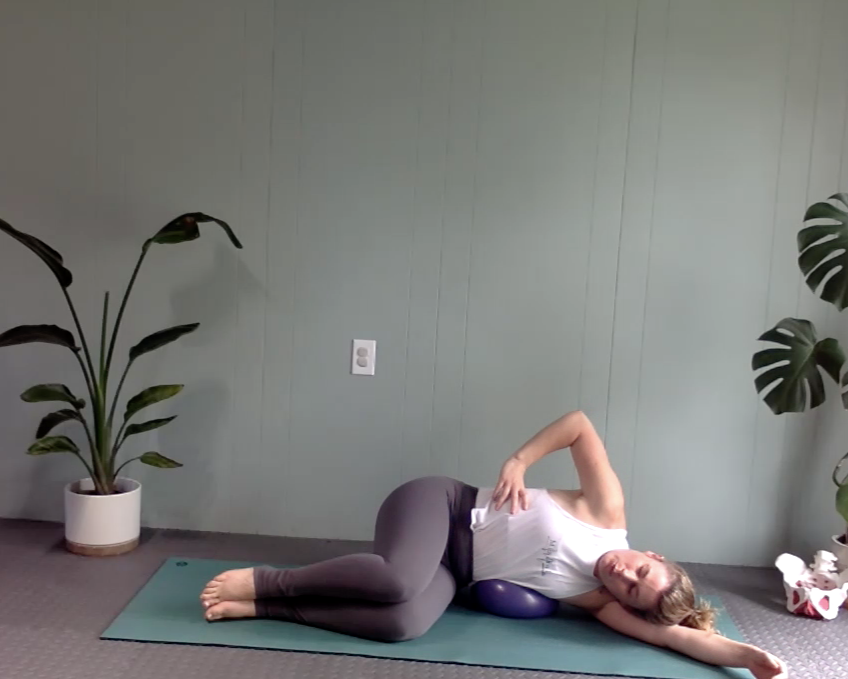
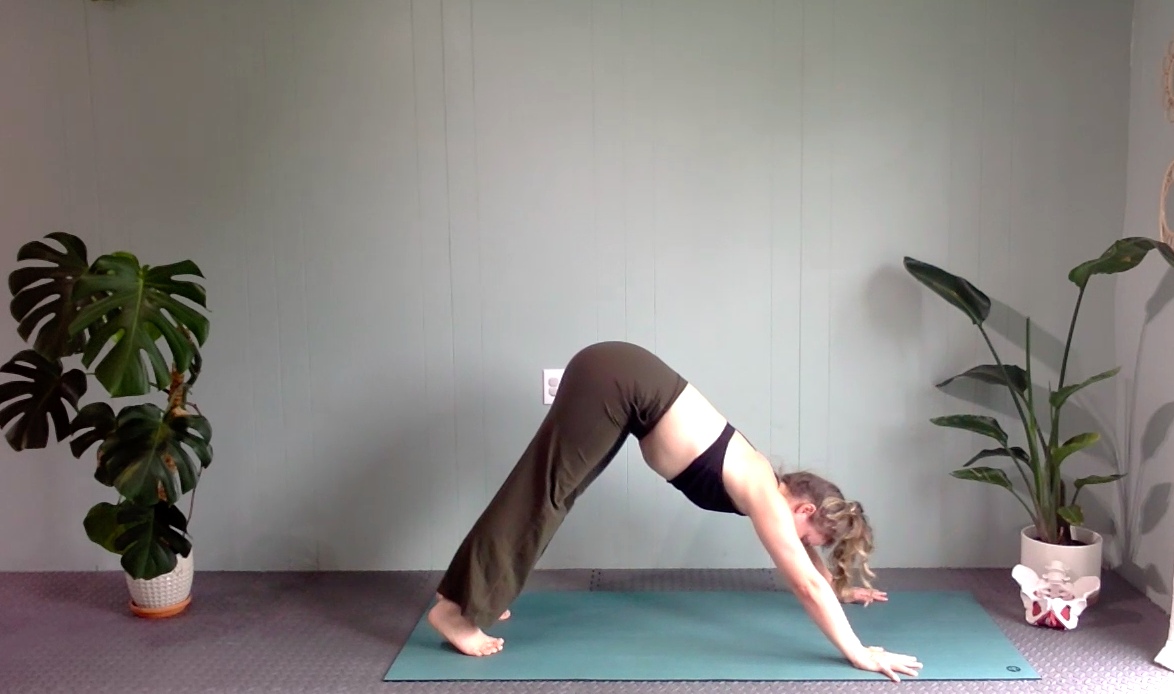
This quick grounding session introduces diaphragmatic breathing to support nervous system regulation, improve rib cage mobility, and encourage pelvic floor relaxation.
This practice is designed to help you slow down, reconnect with your breath, and bring awareness to your body. By coordinating your diaphragm, core, and pelvic floor, you'll begin building the foundation for better movement, reduced tension, and improved pelvic floor function.
Like any new skill, diaphragmatic breathing and pelvic floor relaxation take time, curiosity, and consistent practice. There's no need to force or perfect it—simply notice, explore, and allow your body to learn with each breath.
This is a wonderful practice to return to several times each week, whether you need a moment to reset, reduce stress, or prepare your body for movement.